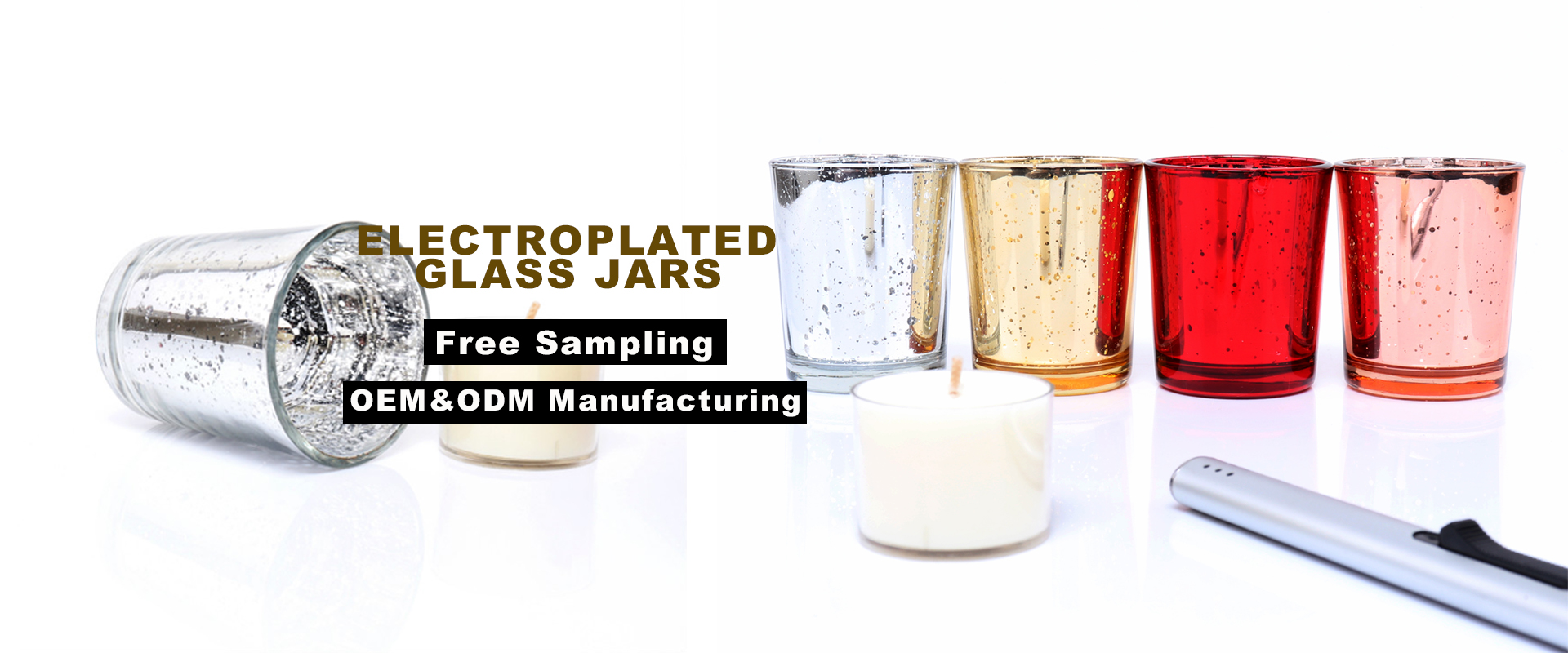
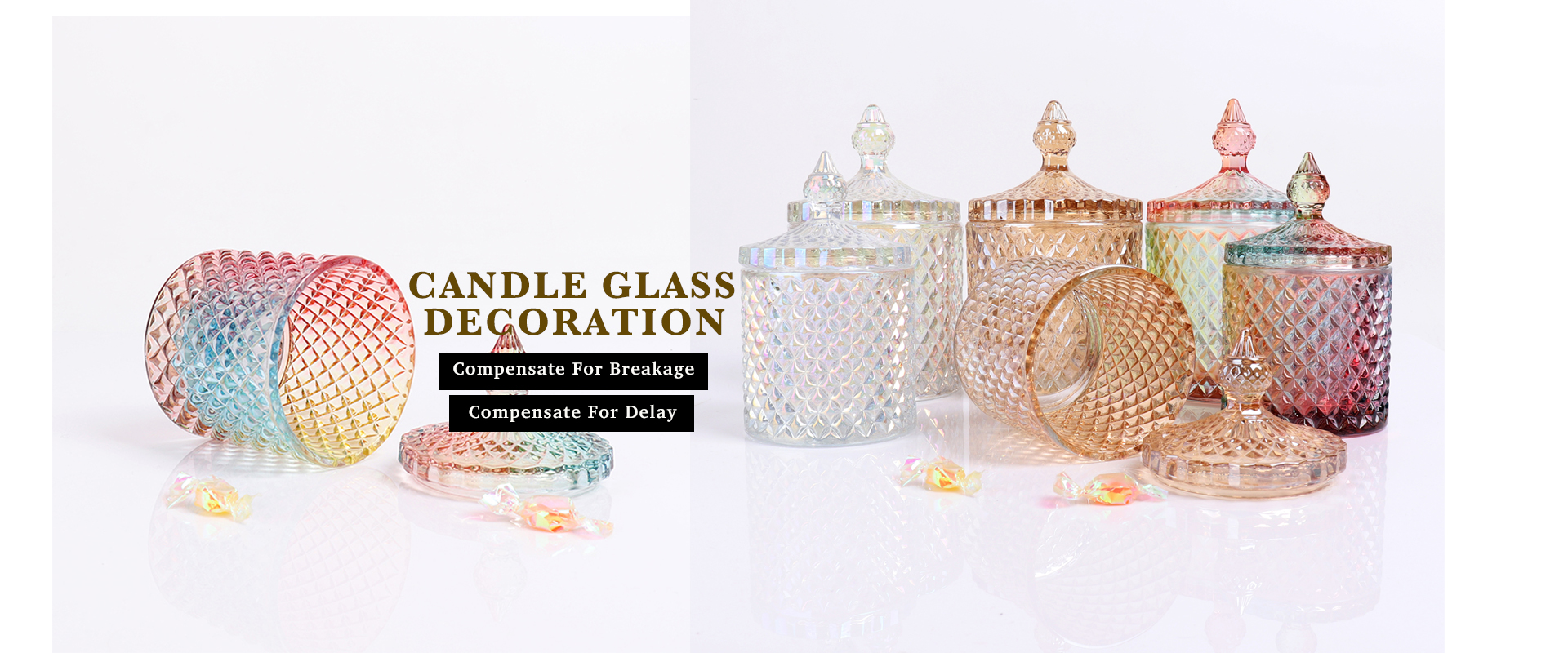
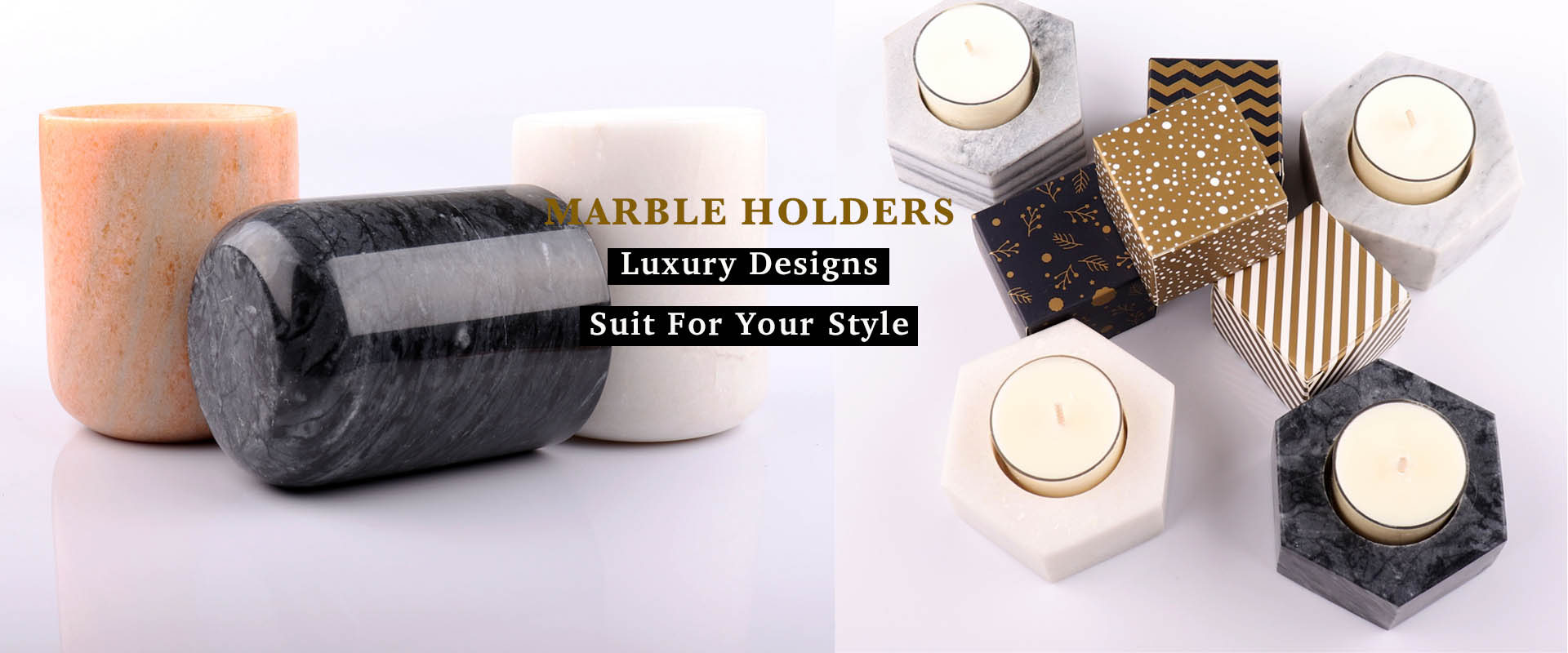
Candle containers (also called candle vessels or candle jars) come in many materials and styles. The choice of container affects:
Heat resistance
Safety
Fragrance throw
Brand positioning
Production cost
Customer experience
Below is a detailed breakdown of the most common candle container types.
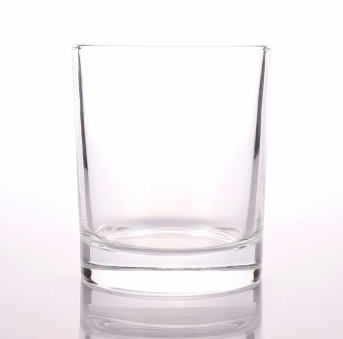
Affordable and widely available
Shows wax and flame beautifully
Works with almost any brand style
Easy to label and customize
Good resistance to fragrance oils
Standard glass may crack under thermal shock
Thin glass can break easily
Fingerprints are visible
Less luxurious compared to premium finishes
Mass-market candle brands
Beginners and startups
E-commerce products
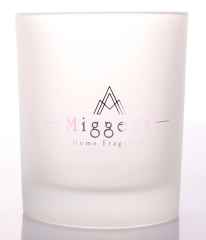
Elegant and premium appearance
Soft, diffused candlelight
Creates a calming luxury aesthetic
Popular in high-end fragrance branding
More expensive than clear glass
Frosted coating can scratch
Requires better manufacturing quality control
Luxury candle brands
Gift collections
Hotel and spa candles
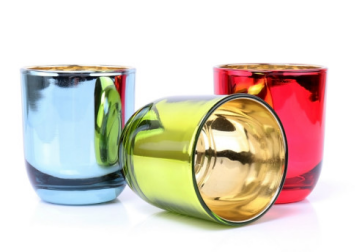
Strong visual impact
Excellent for seasonal or holiday collections
Enhances brand identity
Higher production cost
Coatings may fade or peel over time
Poor-quality finishes can chip
Holiday editions
Luxury gifts
Premium collections
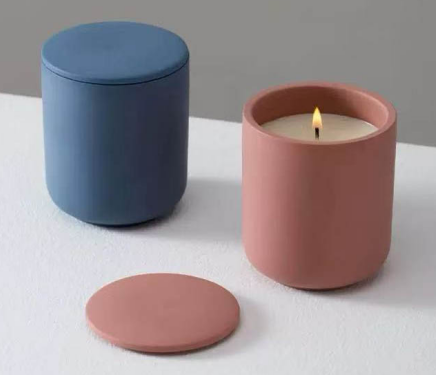
Artistic and luxurious feel
Excellent heat insulation
Great for handmade textures and glazes
Reusable as decor or storage
Heavy and fragile
Higher shipping costs
Handmade pieces may vary in size
Lower production consistency
Artisan candle brands
Boutique luxury products
Lifestyle and home decor brands
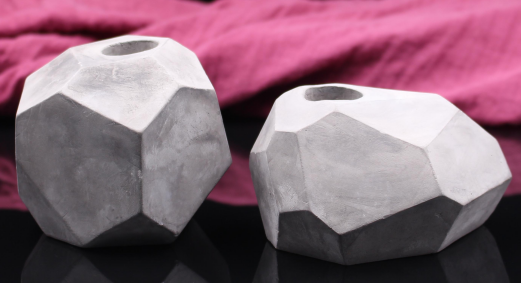
Unique industrial aesthetic
Strong minimalist appeal
Great for handmade branding
Distinctive market positioning
Can crack over time
Absorbs oils without proper sealing
Heavy
Requires waterproof and heat-resistant treatment
Minimalist brands
Masculine fragrance lines
Handmade studios
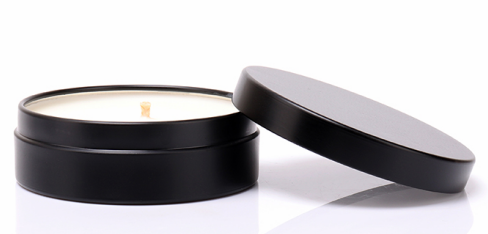
Lightweight and durable
Travel-friendly
Inexpensive
Easy to mass produce
Hard to break during shipping
Conducts heat quickly
Can become hot to touch
Less luxurious appearance
Surface scratches easily
Travel candles
Sample candles
Budget-friendly products
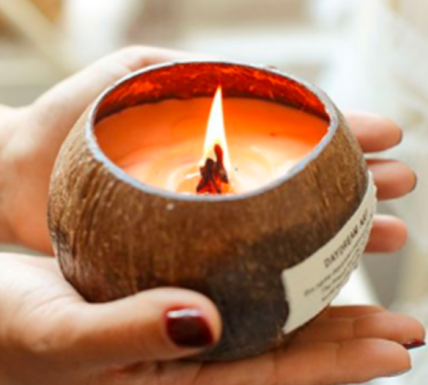
Natural and warm aesthetic
Strong rustic or organic branding appeal
Highly unique appearance
Requires strong fire safety precautions
Can absorb oils and warp
May crack over time
Shorter lifespan
Nature-inspired brands
Rustic collections
Handmade artistic candles
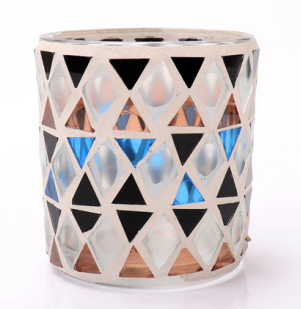
Cocktail glasses
Dessert cups
Shell-shaped vessels
Sculptural containers
Vintage goblets
Eye-catching and highly shareable
Strong social media appeal
High perceived value
Expensive molds and tooling
More difficult wax pouring process
Requires extensive burn testing
Packaging and shipping are more complicated
Trend-driven brands
Gift markets
Small creative collections
| Container Type | Cost | Premium Feel | Safety | Weight | Mass Production | Reusability |
|---|---|---|---|---|---|---|
| Clear Glass | Low | Medium | Good | Medium | Excellent | Medium |
| Frosted Glass | Medium | High | Good | Medium | Good | High |
| Ceramic | High | Very High | Very Good | Heavy | Limited | Excellent |
| Metal Tin | Very Low | Low | Medium | Light | Excellent | Medium |
| Concrete | Medium | High | Medium | Heavy | Limited | Medium |
| Wood | High | Very High | Lower | Medium | Difficult | High |
Not every container is candle-safe.
You should test:
Thermal shock resistance
Long burn sessions
Surface temperature
Cracking risk
General guideline:
Single wick: 6–8 cm
Double wick: 8–10 cm
Triple wick: 10 cm+
Too wide:
Tunneling problems
Too narrow:
Insufficient airflow
Too thin → unsafe
Too thick → slower melt pool formation
Recommended:
Around 3–5 mm for glass containers
Different waxes behave differently:
Soy wax
Coconut wax
Paraffin wax
Beeswax
They vary in:
Adhesion
Shrinkage
Heat performance
Clear glass
Metal tins
Frosted glass
Ceramic
Concrete
Wood
Sculptural vessels
Many established brands use:
Main collection → Frosted glass
Travel line → Metal tins
Limited editions → Ceramic or novelty vessels
This balances:
Cost efficiency
Brand image
Customer retention
Social media appeal
Copyright © Hangzhou Fuyang Boye IM&EX Co., Ltd. All Rights Reserved