The production method of a candle jar directly affects its appearance, cost, heat resistance, and market positioning.
Process:
Molten glass is poured into a mold and shaped under pressure
Features:
Uniform thickness
Simple shapes and patterns
Pros:
Low cost
Highly consistent for mass production
Cons:
Lower visual refinement
Visible mold lines (seams)
✔️ Best for: Mass-market, promotional products
Process:
Glass is inflated by air inside a mold using machines
Features:
Thinner and lighter than pressed glass
More design flexibility
Pros:
Smoother and more refined appearance
Better aesthetics than pressed glass
Cons:
Slightly higher cost
May still have minor mold marks
✔️ Best for: Mid-range brands
Process:
Crafted manually by skilled artisans
Features:
Each piece is slightly unique
Strong handcrafted feel
Pros:
Premium look and feel
Allows complex and artistic shapes
Cons:
High cost
Less consistency in size and shape
✔️ Best for: High-end or custom products
Process:
Glass is drawn into tubes, cut to size, and polished
Features:
Very uniform wall thickness
Clean, seam-free appearance
Pros:
Modern and minimalist look
High consistency
Cons:
Limited shapes (mostly cylindrical)
Requires additional finishing
✔️ Best for: Minimalist brands, scented candles
Process:
Molded and fired at high temperatures
Features:
Can be glazed (glossy or matte finishes)
Pros:
Strong design flexibility
Wide range of colors and textures
Cons:
Medium to high cost
Heavier than glass
✔️ Best for: Home décor, design-focused brands
Process:
Mold casting using cement or plaster
Features:
Industrial or natural aesthetic
Pros:
Unique texture and style
Popular in handmade/DIY markets
Cons:
Porous surface (needs sealing)
Rougher finish
✔️ Best for: Niche, artisan-style products
Process:
Stamped and formed from metal sheets
Features:
Lightweight and durable
Pros:
Shatter-resistant
Cost-effective
Cons:
Conducts heat quickly
Less premium appearance
✔️ Best for: Travel candles, budget lines
After forming, jars are often enhanced with:
Spray Coating → matte, gradient finishes
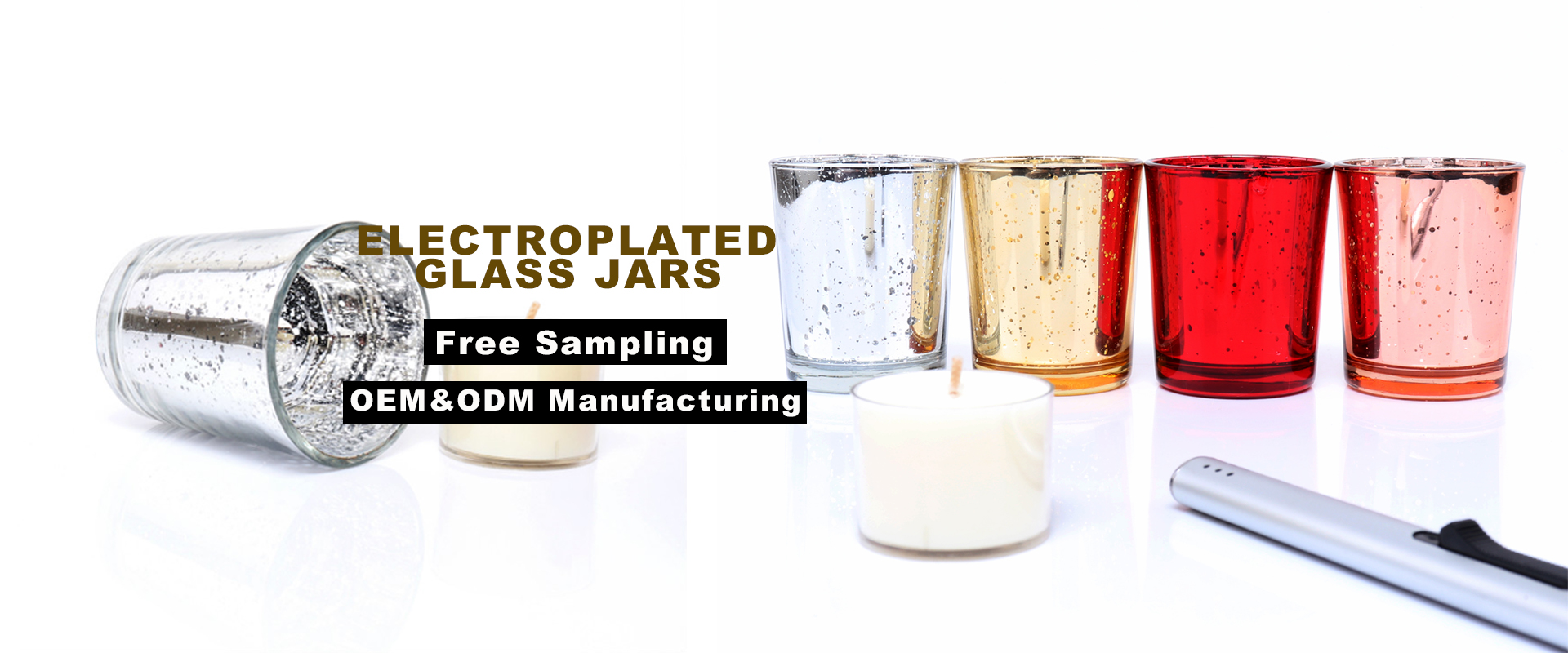
Electroplating → mirror gold/silver effects
Silk Printing → logos and patterns
Hot Stamping → premium metallic details
Frosted Finish → soft, elegant look
| Method | Cost | Aesthetic | Consistency | Style |
|---|---|---|---|---|
| Pressed Glass | ⭐ | ⭐⭐ | ⭐⭐⭐⭐ | Mass |
| Machine-Blown | ⭐⭐ | ⭐⭐⭐ | ⭐⭐⭐⭐ | Mainstream |
| Hand-Blown | ⭐⭐⭐⭐ | ⭐⭐⭐⭐ | ⭐⭐ | Premium |
| Tube Glass | ⭐⭐⭐ | ⭐⭐⭐⭐ | ⭐⭐⭐⭐ | Minimalist |
| Ceramic | ⭐⭐⭐ | ⭐⭐⭐⭐ | ⭐⭐⭐ | Design |
| Concrete | ⭐⭐ | ⭐⭐⭐ | ⭐⭐ | Industrial |
| Metal Tin | ⭐ | ⭐⭐ | ⭐⭐⭐⭐ | Practical |
Budget / mass market → Pressed glass or metal tins
Mid-range products → Machine-blown glass + coating
Premium lines → Hand-blown glass or electroplated finishes
Design-focused brands → Ceramic or concrete
Copyright © Hangzhou Fuyang Boye IM&EX Co., Ltd. All Rights Reserved